How to Improve Your Fluency in English: A Full Guide
Fluency doesn’t happen overnight. It takes time, consistent effort, new experiences, and even a bit of frustration along the way.
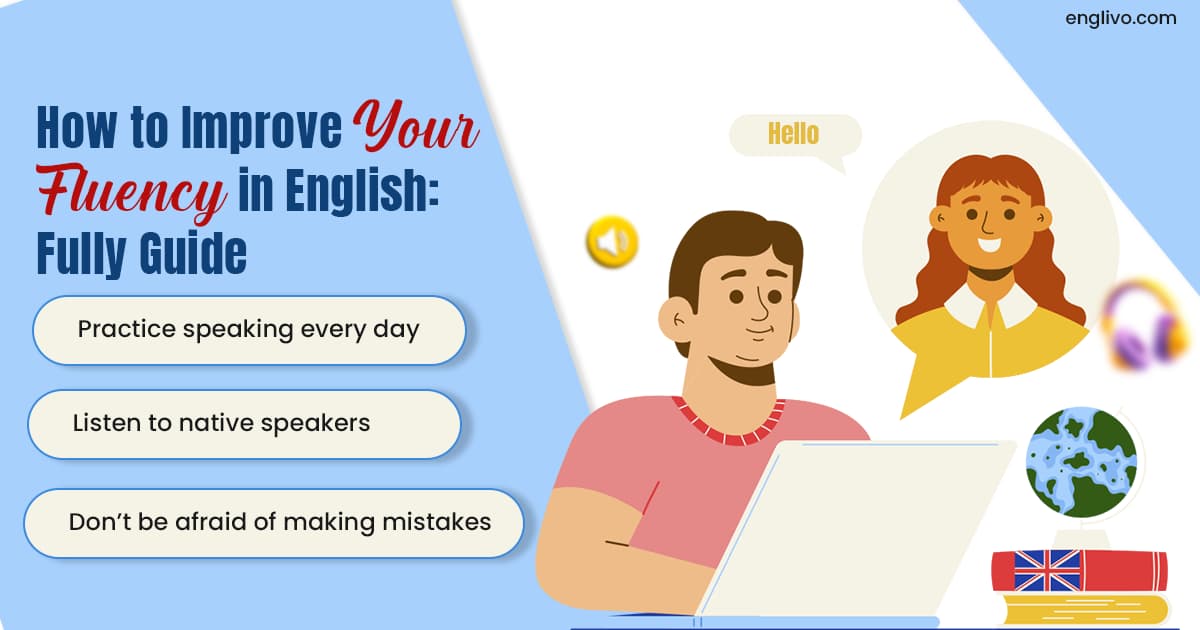
Hi everyone! If you have been trying to improve your fluency in English and have used all of the different resources available to you, then this is the right blog post for you.
It does not just happen overnight; it takes time through multiple new experiences, learning, frustrations, and measurable results, etc.
During this blog week on English fluency, we will show you various really good and time-tested ways that you can improve your spoken English fluency in easy and understandable ways.
You'll find these methods easy to use regardless of whether you are just beginning to learn how to speak or you simply want to cement your speaking abilities.
Why Fluency in English Is Important?
Before considering ways to improve it, let's first clarify the term "English fluency" broadly, how different fluencies relate to effective spoken English, and what these three forms of fluency have in common in terms of speaking fluently and effectively.
There are three different forms of fluency in English, which have nothing to do with how fast or articulately we communicate an idea; rather, achieving "fluency in English" means successfully conveying your message, implicitly by clearly conveying your message, and confidently conveying your message.
Fluency Includes:
- Little hesitation or pause when speaking
- Understanding and using many idioms and colloquial phrases
- Comfortably speaking on all types of topics at all levels, from everyday conversations to varying degrees of complexity/difficulty
- Listening fast enough to process the speaker and make a relevant response to that speaker
If you want to maximize the speed at which you can enhance your English fluency, you will need to do so in a balanced way by focusing on the four main areas of language acquisition:
- Speaking skills
- Listening skills
- Vocabulary development
- Cultural knowledge
Smart Steps to Improve Your English Fluency
In order to improve fluency in the English Language, do these few steps.
1. Immerse Yourself in English Daily
You can participate in speaking and listening activities, but you will gain the most of your knowledge by using the language within your environment or outside your home country.
Watch Video and TV Shows in English:
Find video files on any topics that interest you (for example: comedy/drama/documentaries and vlogs) on different websites such as Netflix, Google, YouTube, and podcasts.
Ideally, when starting out, you should start watching them with the use of subtitles and then try to watch them without the use of subtitles.
When you read articles or books or listen to music, radio shows or podcasts in English, you may find it very difficult when you first start out. But you can begin your vocabulary growth with basic children's books or easy reading material.
2. Speak as Much as Possible (Yes, Even If You’re Nervous)
Speaking is the most important part of fluency. It can be scary at first, but rehearsing will bring confidence and ease.
Some ways you can do that:
- Searching for speaking partners: language exchanges, friends who speak English, tutors, or online communities (like conversation groups on Zoom or Tandem)
- Practice speaking by yourself: yes, you might be a bit embarrassed to talk to yourself out loud, but talk yourself through your daily routine, repeat phrases you want to learn, or describe what's going on around you
- Recording yourself: This way, you can listen to your Growth and hear areas you need to improve without being judged
3. Grow Your Vocabulary Smartly
When you know new words, you should concentrate how to learn them in different and real ways instead of learning long lists of words till October 2023, for example.
Get a taste of these alternative kinds of studying in your vocabulary acquisition procedure:
Learning in Context
When learning new vocabulary, learn it as they relate to a sentence or a phrase. Instead of learning the word exhausted alone, you would learn this sentence:
I have been exhausted since I worked today
Focus On Frequency
The first step in learning new vocabulary is to start with the most common words to be used within everyday conversation and then work your way down through less frequently used vocabulary.
4. Master Listening and Pronunciation
In order to speak fluently, you need to have your ears trained to hear the rhythm of English, as well as the sounds/phonetics of English.
Develop these skills through:
- Using the shadowing method, listening to the short sentence and repeating it back to yourself, matching the speaker's intonation and speed
- Using English subtitles but providing yourself with the challenge of listening first without subtitles, and checking understanding afterward
- Practicing different types of sounds that are difficult based on your language background
5. Get Into Grammar, But Have No Obsession
Grammar is useful, but in most cases, fluency has nothing to do with grammatical perfection.
To keep your flow natural:
- Get an understanding: Find and appreciate how things are done via sentence examples
- Stay with patterns and structures that allow your brain to recall sentences automatically
- Utilize grammar checkers and writing platforms like Grammarly for guidance
Bonus Tips for Staying Motivated and Making Progress
Becoming more fluent in English is a marathon, not a sprint. Here are some tips to keep you going strong:
- Make achievable goals: Like learning 5 new expressions this week or having a 10-minute conversation in English
- Celebrate small victories: Following a movie without subtitles or receiving compliments on your accent
- Make good use of technology: Practice daily using apps, platforms, and social groups
- Have patience: Plateaus are normal—adjust your methods and keep going
Why “Fluency in English” Matters
The importance of the English language is that it provides people with a way to communicate clearly, confidently, and naturally on different occasions.
Speaking English is essential as it is widely used in education, work, travel, and global communication.
When you speak English fluently:
- You express yourself easily
- You understand others clearly
- You communicate without hesitation
In education, strong English skills help students understand lessons and access global resources.
In careers, English fluency improves job opportunities, interviews, promotions, and growth.
Fluency also improves everyday experiences—whether traveling, networking, or interacting online.
But really, fluency isn’t about perfection — it’s about meaningful communication and sharing your thoughts.
Final Thoughts
Practice Makes Perfect With English Language — practice more than you learn, so you can express yourself more fluently and confidently.
Make use of various materials, and treat English as your "daily life" and not just something you learn for a test.
Enhance your fluency in the English Language — the more frequently you practice, the more easily and confidently you will express yourself.
Start simple:
- Watch a short English video
- Talk to yourself
- Speak with a friend
The first step you can take with this process is to watch a short English video, talk to yourself as if you were speaking to someone, or talk to your friend who speaks English.
Everyone has a different path to fluency, but with consistent effort, we all reach our goals.
Thank you so much for taking the time to read this article. I hope there will be many more tips for you next week!
Master the Curriculum.
Expert 1-on-1 guidance for English fluency, tailored to your goals.